When You Die, Do Your Debts Die With You? What Illinois Families Should Know
November 3, 2026

Illinois Estate Planning Series — Article 3 of 5
Most people understand that estate planning involves deciding who will inherit their home, savings, and other possessions.
But here's a question that often gets overlooked:
"What happens if I die owing money? Will my spouse or children have to pay my bills?"
It's a legitimate concern, particularly for people who have a mortgage, credit card balances, car loans, or medical bills.
The good news is that your family generally does not automatically inherit your debts when you die.
However, there are important exceptions, especially under Illinois law.
What Happens to Your Debts After Death?
When someone dies, their debts don't simply disappear.
Instead, valid debts are generally handled through the deceased person's estate.
An estate consists of the money, property, and other assets left behind, although not every asset is necessarily available to pay estate creditors.
The executor or administrator is responsible for addressing valid claims and distributing remaining assets according to the will or applicable Illinois law.
Illinois law establishes priorities for paying different types of claims. Not every creditor has an equal right to be paid first.
What About Credit Card Debt?
Suppose someone dies owing $12,000 on credit cards.
If those accounts were solely in the deceased person's name, the credit card companies generally must seek payment from the estate.
The deceased person's children do not automatically become responsible for those balances.
However, someone who was a joint account holder may remain responsible. This is different from being merely an authorized user on a credit card.
What Happens to the Mortgage?
A mortgage is different because the loan is secured by the property.
If someone dies with an outstanding mortgage, the debt doesn't disappear.
For example, suppose a parent leaves a home to their children, but the home still has a $150,000 mortgage.
The children don't necessarily become personally responsible for the loan simply because they inherit the property.
However, the mortgage remains attached to the home. If the family wants to keep the property, arrangements generally must be made to continue the payments or otherwise satisfy the loan.
Otherwise, the property could eventually face foreclosure.
Similar principles apply to vehicles with outstanding car loans
Are Surviving Spouses Responsible for Debts?
This is where Illinois law becomes especially important.
Under the Illinois Family Expense Act, spouses may be responsible for certain expenses incurred for the family, even when only one spouse originally incurred the expense.
Depending on the circumstances, these may include:
- Necessary medical expenses
- Certain household expenses
- Funeral-related expenses
- Other qualifying family necessities
Ordinary credit card balances and personal loans generally don't automatically become the surviving spouse's responsibility. However, joint accounts, co-signed obligations, and particular family expenses can create exceptions.
Because these rules depend on the nature of the debt and individual circumstances, legal guidance may be necessary
What If There Isn't Enough Money to Pay Everyone?
Consider this example:
A person dies leaving $10,000 in estate assets but owes $30,000 in unsecured debts.
What happens to the remaining $20,000?
If the estate cannot pay all valid claims, Illinois law determines which claims receive priority.
Some creditors may receive only partial payment or nothing at all.
Surviving children generally are not required to pay the unpaid balance from their
personal savings simply because they are beneficiaries.
This is one reason understanding estate administration is so important.
What If a Debt Collector Contacts the Family?
Losing a loved one is difficult enough without receiving collection calls.
A debt collector may be permitted to contact a surviving spouse or the person administering an estate.
However, that doesn't automatically mean the person contacted is personally responsible for the debt.
Family members should avoid agreeing to pay an unfamiliar debt before confirming whether they have a legal obligation.
They can request written information about the debt and seek legal guidance when necessary.
The Bottom Line
Your debts generally don't become your family's debts simply because you die.
But debts can reduce the assets available to your beneficiaries, and certain obligations may remain the responsibility of a surviving spouse, joint borrower, or co-signer.
Understanding these distinctions is an important part of estate planning.
Estate planning isn't just about deciding who receives your property. It's also about understanding the financial responsibilities that may remain after you're gone.
A little planning today can help your family avoid unnecessary financial confusion tomorrow.
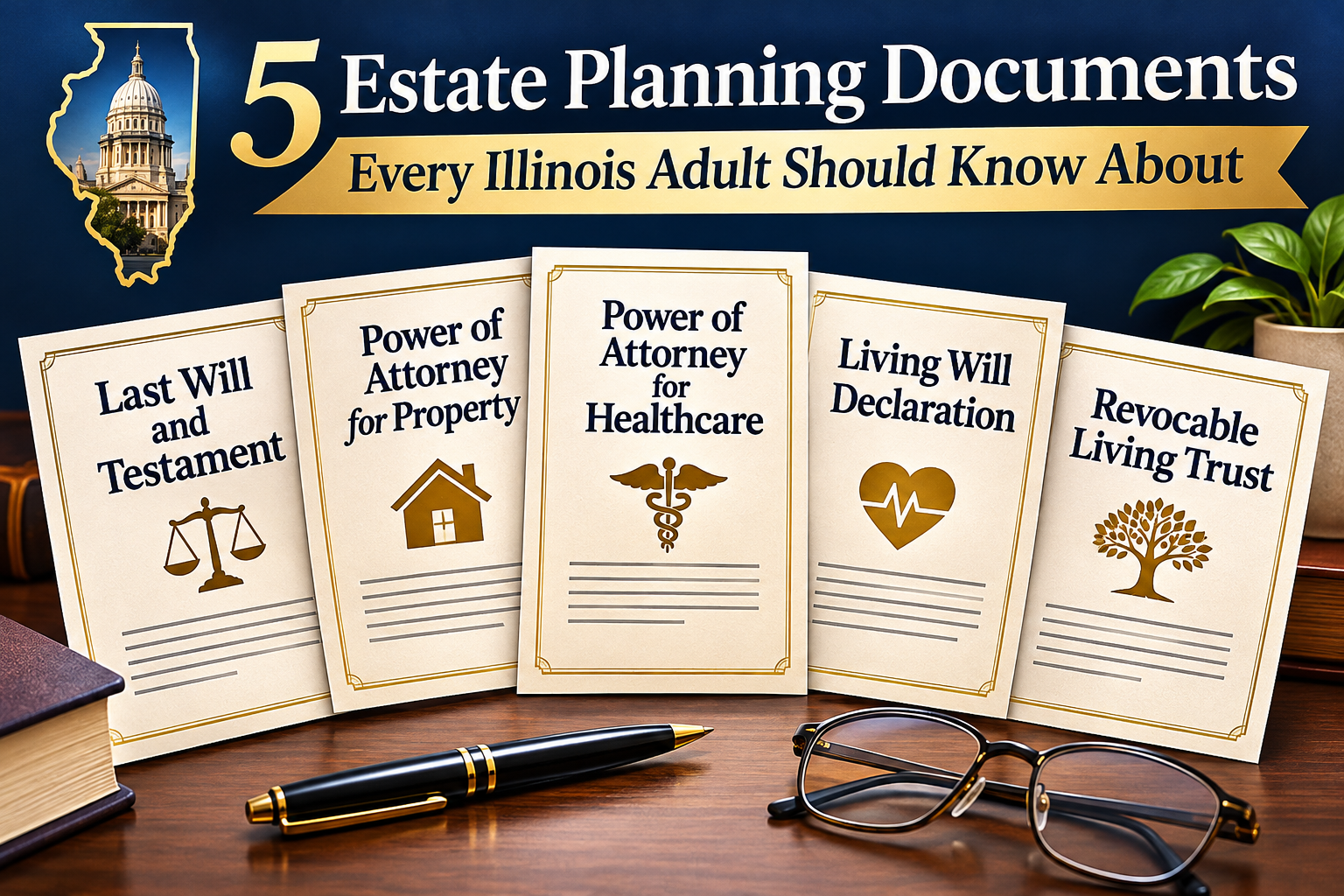
Coming next in our Illinois Estate Planning Series: Article #4 — "5 Important Estate Planning Documents Every Illinois Adult Should Know About
Disclaimer: I am not an attorney, and the information provided in this article is not intended to constitute legal advice. The content is based on my general research of estate-planning information and Illinois law and is provided for educational and informational purposes only. Laws and individual circumstances can vary and may change over time. For advice regarding your specific situation, you should consult a qualified Illinois estate-planning attorney.